How to choose the best Creating a "resort-style" bathroom: Freestanding tubs and outdoor showers
Bringing Five-Star Luxury Home: Your Guide to Spa-Inspired Bathroom Design
Remember that feeling when you step into your hotel bathroom during vacation and immediately feel relaxed? The spacious tub positioned just so, the rainfall shower with a view, the natural materials that somehow make everything feel both elegant and calming. You can recreate that experience in your own home, and it's more achievable than you might think.
Transforming your bathroom into a personal sanctuary starts with understanding what makes luxury hotel bathrooms work. It's not just about expensive fixtures—it's about thoughtful design choices that prioritize comfort, visual appeal, and that intangible sense of escape from everyday life.
The Centerpiece: Selecting Your Freestanding Tub
A standalone bathtub serves as the focal point of any spa-inspired bathroom. Unlike built-in tubs that blend into the walls, these sculptural pieces demand attention and set the tone for the entire space.
Material matters more than you'd expect. Cast iron tubs retain heat exceptionally well—your bathwater stays warm for 45 minutes or longer compared to 20-25 minutes in acrylic versions. They're also remarkably durable, lasting 50 years or more with proper care. The downside? They weigh between 300-500 pounds when empty, requiring reinforced flooring in many homes.
Acrylic and composite materials offer a lighter alternative at 75-150 pounds. Modern manufacturing has improved their quality significantly, with some high-end versions incorporating stone resin that mimics the heat retention of traditional materials while maintaining easier installation requirements.
Size and shape should match both your space and bathing habits. A standard 60-inch tub works for most bathrooms, but if you're over six feet tall or enjoy stretching out completely, look for 67-72 inch models. Oval designs provide a classic look, while angular Japanese soaking tubs offer deeper water depth in a smaller footprint—typically 27 inches deep versus the standard 19 inches.
Placement transforms the entire room's energy. Positioning your tub near a window creates that hotel-worthy moment, though you'll need to consider privacy solutions like frosted glass or strategic landscaping. Centering it in the room makes a bold statement but requires plumbing modifications that can add $1,500-3,000 to installation costs.
Outdoor Showers: Connecting with Nature
Outdoor bathing areas bring an entirely different dimension to your daily routine. The sensation of warm water while breathing fresh air and feeling natural breezes creates a uniquely refreshing experience that indoor spaces simply can't replicate.
Location determines functionality. If you live in a climate with year-round mild weather, a fully exposed shower works beautifully. For areas with distinct seasons, consider a semi-enclosed design with overhead coverage and one or two open sides. This provides weather protection while maintaining that open-air feeling from spring through fall.
Privacy doesn't mean building walls. Strategic landscaping with bamboo screens, tall ornamental grasses, or climbing vines on trellises creates natural barriers that feel organic rather than confining. Horizontal slat fencing offers another option, providing coverage while allowing air circulation and filtered light.
Water temperature control becomes crucial outdoors. Standard mixing valves can freeze in cold climates, so thermostatic valves with freeze protection are worth the $200-400 investment if you plan to use your shower beyond summer months. Some homeowners install drain valves at the lowest point to completely empty pipes before winter.
Drainage requires more planning than indoor installations. A simple gravel bed works for occasional use, but daily showers need proper drainage systems. A concrete pad with a center drain connected to your home's plumbing costs $800-1,500 but prevents water pooling and potential foundation issues.
Materials That Weather Well and Look Better With Age
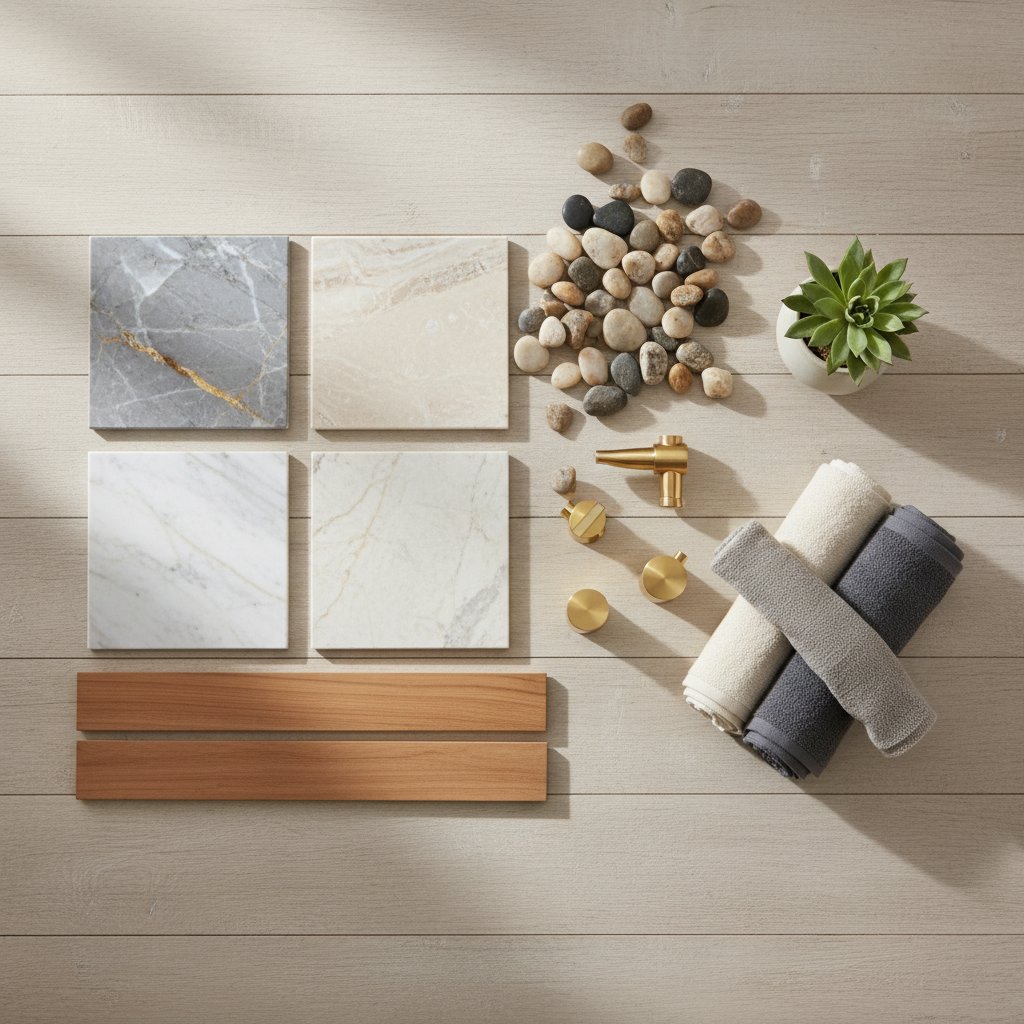
Teak remains the gold standard for outdoor shower flooring. Its natural oils resist water damage and prevent slipping, while the wood develops a silvery patina over time. Expect to pay $15-25 per square foot, but properly maintained teak lasts 25-30 years.
Stone and tile options range from rustic slate to smooth river rocks. Slate provides excellent grip when wet and handles freeze-thaw cycles without cracking. River rock creates a massage-like sensation underfoot but requires more maintenance to prevent algae growth in humid climates.
For freestanding tubs, the surrounding floor material affects the overall atmosphere. Heated tile flooring adds comfort during cooler months, with installation costs around $10-15 per square foot including the heating elements. Wide-plank wood flooring brings warmth but needs proper sealing—marine-grade finishes protect against moisture while maintaining the natural appearance.
Finishing Touches That Complete the Experience
Lighting transforms your space from functional to atmospheric. Dimmable fixtures let you adjust brightness for morning routines versus evening soaks. For outdoor showers, weatherproof LED strips along pathways provide safety without harsh overhead lighting.
Storage solutions maintain the uncluttered aesthetic that defines luxury spaces. Recessed niches in shower walls eliminate the need for hanging caddies. For freestanding tubs, a small teak stool serves as both a side table and design element.
Plants bring life and improve air quality. Ferns, orchids, and peace lilies thrive in bathroom humidity. Around outdoor showers, tropical plants like bird of paradise or elephant ears create that genuine retreat atmosphere.
The difference between a bathroom renovation and creating a personal spa lies in these deliberate choices. Each element should contribute to that feeling of escape—the one that makes you pause before stepping in, taking a breath, and leaving the outside world behind.