Creating a "resort-style" bathroom: Freestanding tubs and outdoor showers guide
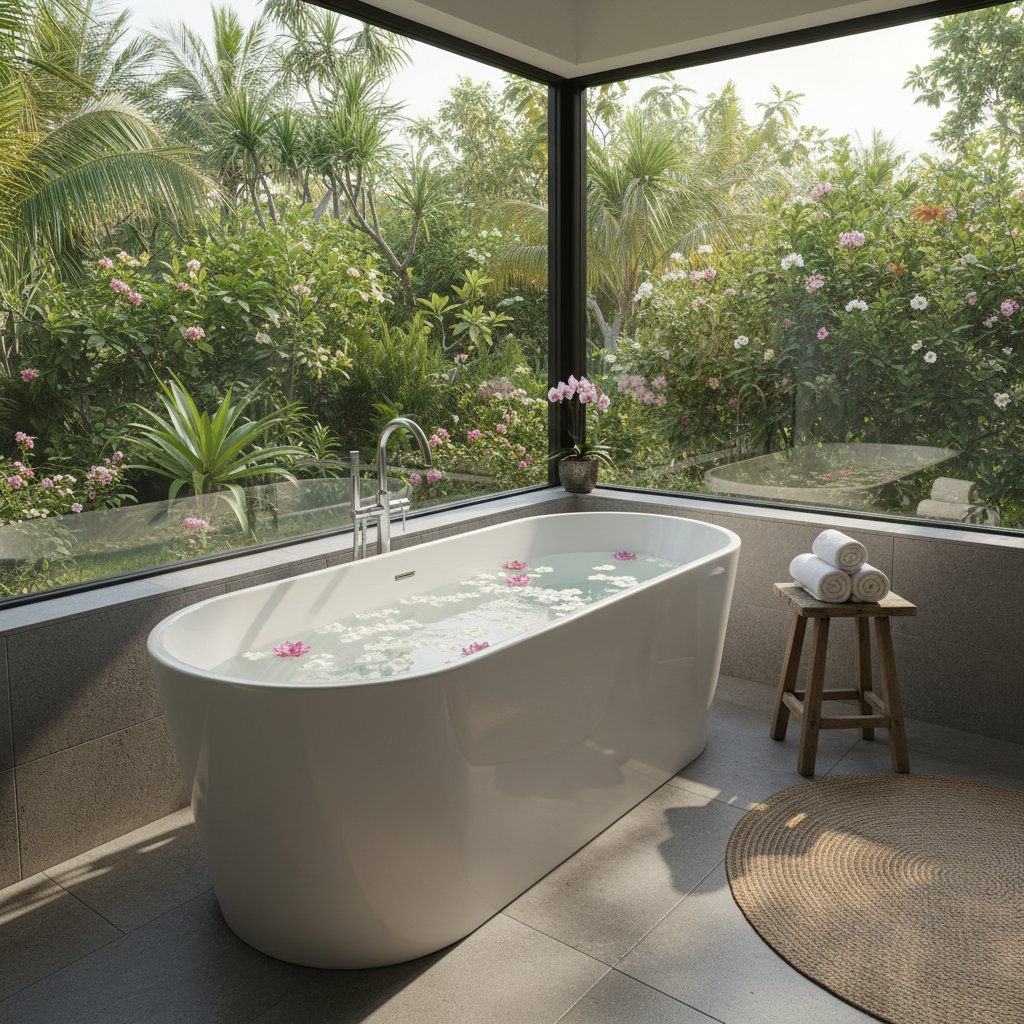
Transforming Your Bathroom Into a Private Spa Sanctuary
The daily bathroom routine doesn't have to feel mundane. More homeowners are discovering that creating a resort-style bathroom transforms an ordinary space into a personal retreat where you can unwind after long days. Two elements consistently define this luxury aesthetic: sculptural freestanding tubs and refreshing outdoor showers.
Why Freestanding Tubs Command Attention
A freestanding tub serves as the centerpiece of any spa-inspired bathroom. Unlike built-in models that blend into walls, these standalone fixtures create visual drama. The market offers diverse styles—from classic clawfoot designs measuring 60 inches long to modern oval shapes stretching 72 inches. Material choices include cast iron (which retains heat for 45 minutes or longer), acrylic (lightweight at roughly 100 pounds when empty), and stone resin composites.
Placement matters significantly. Position your tub near a window to capture natural light and views, but ensure at least 6 inches of clearance on all sides for comfortable access. Some homeowners place tubs on raised platforms or in bay window alcoves. One designer I spoke with recently installed a copper soaking tub in front of floor-to-ceiling windows overlooking a garden—the homeowner reports using it four times weekly compared to their previous built-in tub they used monthly.
Plumbing Considerations You Can't Ignore
Freestanding tubs require different plumbing approaches than standard installations. Floor-mounted tub fillers cost between $400 and $2,000, while wall-mounted options range from $300 to $1,500. Ceiling-mounted fillers create the most dramatic effect but need reinforced joists.
Drainage presents another challenge. The drain location must align precisely with your floor plumbing, typically requiring adjustments. Budget an additional $500 to $1,200 for plumbing modifications. If you're working with a concrete slab foundation, costs increase because breaking through concrete and rerouting pipes demands specialized equipment.
The Outdoor Shower Experience
Outdoor showers bring vacation vibes home. They're not just about aesthetics—showering outside reduces indoor humidity, keeps sand and dirt from tracking through your house, and provides a connection to nature that enclosed bathrooms can't match.
Building codes vary by municipality, but most require outdoor showers to have privacy screening and proper drainage. A basic setup with cold water only costs $500 to $1,000 for materials. Adding hot water increases costs to $2,000 to $5,000 because you'll need to extend your water heater lines and install freeze-proof fixtures in colder climates.
Material selection impacts longevity. Teak and cedar naturally resist water damage and develop attractive silver patinas over time. Stainless steel fixtures withstand coastal salt air better than brass or bronze. For flooring, river rocks provide excellent drainage and feel pleasant underfoot, while teak slats create a more refined appearance.
Design Elements That Elevate the Space
Lighting transforms both features from functional to atmospheric. Install dimmer switches to adjust brightness for different moods. Pendant lights hung 30 to 36 inches above a freestanding tub create intimate ambiance. For outdoor showers, use wet-rated fixtures—standard indoor lights will fail quickly when exposed to moisture.
Natural materials reinforce the spa atmosphere. Large-format porcelain tiles that mimic stone or wood grain work well because they have fewer grout lines to clean. Real stone like travertine or slate adds authentic texture but requires sealing every six months to prevent water damage.
Plants bring life to the space. Ferns, orchids, and peace lilies thrive in bathroom humidity. Around outdoor showers, bamboo creates natural privacy screens while jasmine or honeysuckle adds fragrance. Just ensure plants don't block drainage paths or create maintenance headaches.
Practical Touches That Matter Daily
A tub caddy spanning the width of your soaking tub holds books, drinks, and candles within reach. Heated towel racks mounted 48 inches from the floor provide warm towels year-round—a small luxury that significantly improves the experience.
For outdoor showers, include a bench or built-in seating. Shaving legs or simply relaxing under warm water becomes more comfortable. Add hooks at varying heights for towels, robes, and clothing. A small shelf for soap and shampoo keeps essentials organized.
Maintenance Reality Check
Freestanding tubs show water spots and soap scum more readily than built-in models because all surfaces remain visible. Squeegee after each use to minimize buildup. Acrylic tubs scratch more easily than cast iron but weigh less—choose based on your priorities.
Outdoor showers need winterization in freezing climates. Shut off water supply, drain all lines, and remove shower heads before temperatures drop below 32°F. Even in warm regions, rinse fixtures weekly to prevent mineral deposits and clean drain covers monthly to maintain proper water flow.
Getting Started
Begin by assessing your existing bathroom layout and outdoor space. Measure carefully—a 66-inch tub needs a room at least 8 by 10 feet to avoid feeling cramped. For outdoor showers, check local building codes regarding setbacks from property lines and required permits.
The investment ranges considerably. A complete bathroom renovation with a quality freestanding tub runs $15,000 to $40,000. An outdoor shower addition costs $3,000 to $8,000 installed. Both projects typically recoup 60-70% of costs at resale while providing daily enjoyment during ownership.